
If you opened your portfolio this morning and saw red, you’re not alone.
When the stock market drops, most investors ask one simple question: Why is the stock market down today?
The truth is, markets rarely fall for just one reason. It’s usually a mix of earnings news, economic data, interest rate expectations, and investor psychology.
Below is a clear, plain-English breakdown of what typically drives U.S. market declines — and what it means for you.
Quick Summary: Why the Market Is Down
On days when the Dow, S&P 500, and Nasdaq fall together, the usual drivers include:
- Weak or disappointing earnings from major companies
- Higher interest rate expectations
- Rising bond yields
- Inflation concerns
- Weak economic data (like jobless claims or retail sales)
- Geopolitical tensions
- Sector-specific sell-offs (tech, AI stocks, etc.)
Let’s break these down.
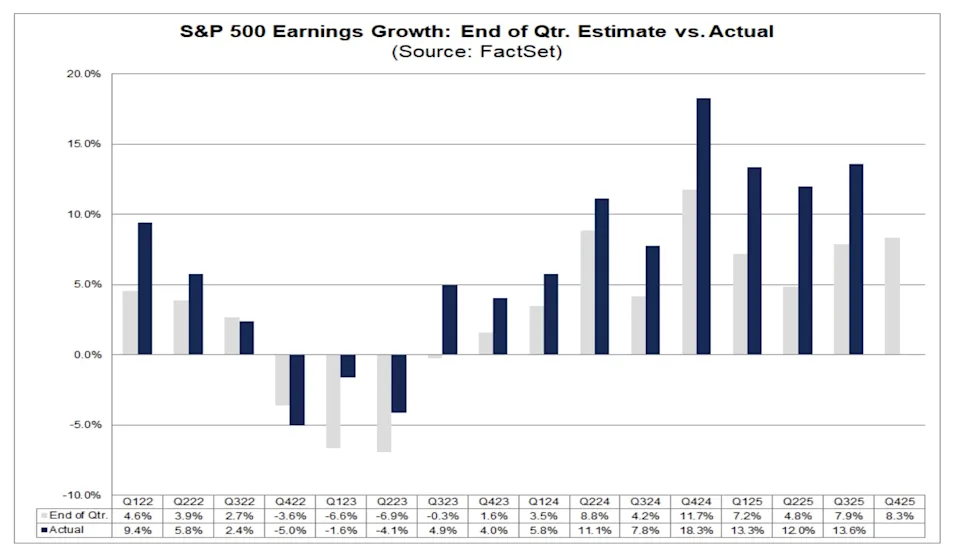
1. Earnings Disappointments From Big Companies
Earnings season often drives market swings.
If a major company reports:
- Lower profits
- Weak revenue
- A cautious outlook
- Slower growth guidance
Stocks can drop fast.
When large companies fall, indexes follow. For example:
- If a tech giant misses expectations, the Nasdaq usually drops.
- If an industrial or financial leader disappoints, the Dow can slide.
- If multiple large-cap stocks fall together, the S&P 500 weakens.
Why it matters: Indexes are weighted. A few big names can move the entire market.
2. Interest Rate Fears and Federal Reserve Policy
Interest rates move markets.
If investors believe the Federal Reserve may:
- Keep rates higher for longer
- Delay rate cuts
- Raise rates again
Stocks often fall.
Higher rates mean:
- More expensive borrowing
- Lower corporate profits
- Less consumer spending
- Lower stock valuations
Growth stocks (especially tech and AI stocks) tend to drop the most when rates rise.
3. Rising Treasury Yields
Even if the Fed doesn’t move rates, Treasury yields can climb.
When bond yields rise:
- Bonds become more attractive than stocks
- Investors shift money out of equities
- Stock valuations compress
The 10-year Treasury yield is especially important. If it spikes, markets often sell off the same day.
4. Weak Economic Data
Markets react instantly to economic reports like:
- Weekly jobless claims
- CPI inflation data
- Retail sales
- Consumer confidence
- Manufacturing reports
Bad data can mean:
- Slowing growth
- Risk of recession
- Corporate profit pressure
But sometimes “good” data can also push markets down.
For example:
- Strong jobs data may delay Fed rate cuts.
- That can hurt stocks in the short term.
Markets react to what data means for policy — not just the headline number.
5. Sector Rotation
Sometimes the overall market isn’t collapsing. Money is simply rotating.
Example:
- Investors sell high-growth AI stocks.
- They buy defensive stocks like utilities or healthcare.
Indexes can fall even when some sectors are rising.
Look at:
- Technology
- Financials
- Energy
- Consumer discretionary
One weak sector can drag the whole index lower.
6. Geopolitical or Global News
Markets hate uncertainty.
Common triggers include:
- Global conflicts
- Trade tensions
- Oil price spikes
- Political instability
- Unexpected policy changes
Even headlines without clear economic impact can cause short-term selling.
What Most Articles Miss (Key Gaps Explained)
Many financial news stories focus only on earnings and economic data. But they often miss these important factors:
Market Positioning and Overbought Conditions
Sometimes stocks fall simply because they ran up too fast.
If markets have:
- Hit record highs
- Rallied for weeks without a pullback
- Become overbought technically
Traders may take profits.
This causes:
- Quick, sharp pullbacks
- Algorithm-driven selling
- Increased volatility
A market drop doesn’t always mean something is “wrong.”
Options Expiration and Technical Levels
Markets often move around:
- Options expiration dates
- Major support or resistance levels
- Moving averages (like the 50-day or 200-day)
When key technical levels break, automated trading can accelerate the decline.
This rarely gets explained in mainstream summaries.
Liquidity and Trading Volume
Low trading volume can exaggerate moves.
On light-volume days:
- A small sell-off can look dramatic
- Volatility increases
- Price swings become sharper
It doesn’t always reflect panic.
AI and Mega-Cap Concentration Risk
The U.S. market is heavily concentrated in a handful of mega-cap tech stocks.
If:
- AI leaders drop
- Big tech pulls back
- Semiconductor stocks weaken
The entire S&P 500 can fall — even if most stocks are flat.
This concentration risk is often overlooked.
How to Check What’s Causing Today’s Drop
Here’s a simple checklist:
- Look at the 10-year Treasury yield.
- Check if major companies reported earnings.
- See if new economic data was released.
- Look at which sectors are down the most.
- Check if the market was recently at record highs.
That usually explains 80% of daily moves.
Should You Be Worried?
Short answer: It depends on your time horizon.
For long-term investors:
- Daily drops are normal.
- Pullbacks of 5% to 10% happen regularly.
- Corrections of 10%+ happen almost every year.
For short-term traders:
- Volatility creates both risk and opportunity.
The stock market does not move in a straight line.
What To Do When the Market Is Down
Here are practical steps:
1. Don’t Panic Sell
Emotional decisions often lock in losses.
2. Zoom Out
Look at 6-month and 1-year charts.
3. Review Your Risk Exposure
Are you too concentrated in one sector?
4. Check Your Cash Position
Down markets can create buying opportunities.
5. Stick to Your Plan
If nothing fundamental has changed in your strategy, avoid overreacting.
Is This a Crash or Just a Pullback?
Here’s a simple comparison:
Pullback
- 5%–10% decline
- Normal market behavior
- Often short-term
Correction
- 10%–20% decline
- Happens almost yearly
Bear Market
- 20%+ decline
- Usually tied to recession fears
Most daily declines are just noise.
Why Markets Often Fall Even When the Economy Looks Fine
Markets are forward-looking.
Stocks price in:
- Expected growth
- Expected earnings
- Expected interest rates
If expectations were too optimistic, stocks can fall even when data looks decent.
It’s about surprises — not just numbers.
FAQs
Why is the Dow down today but the Nasdaq isn’t?
Different indexes hold different companies. Sector rotation can impact them differently.
Why does strong jobs data sometimes hurt stocks?
Strong data can delay Federal Reserve rate cuts. Higher rates can pressure stock valuations.
How often does the stock market drop?
Small declines happen almost every week. Corrections of 10% happen nearly every year.
Is today’s drop the start of a recession?
One day does not signal a recession. Look for sustained economic deterioration over months.
Should I buy stocks when the market is down?
If you’re a long-term investor and fundamentals remain strong, pullbacks can create opportunities. But always consider your risk tolerance.
Conclusion
When the stock market is down today, it’s rarely random.
The most common reasons include:
- Disappointing earnings
- Higher interest rate expectations
- Rising Treasury yields
- Weak (or too strong) economic data
- Sector sell-offs
- Profit-taking after rallies
Daily volatility is normal.
What matters more is whether the long-term trend and economic fundamentals are changing.
Before reacting, understand the cause.

High School English Teacher• Reader• Book Reviewer• Beach Lover• Content Creator